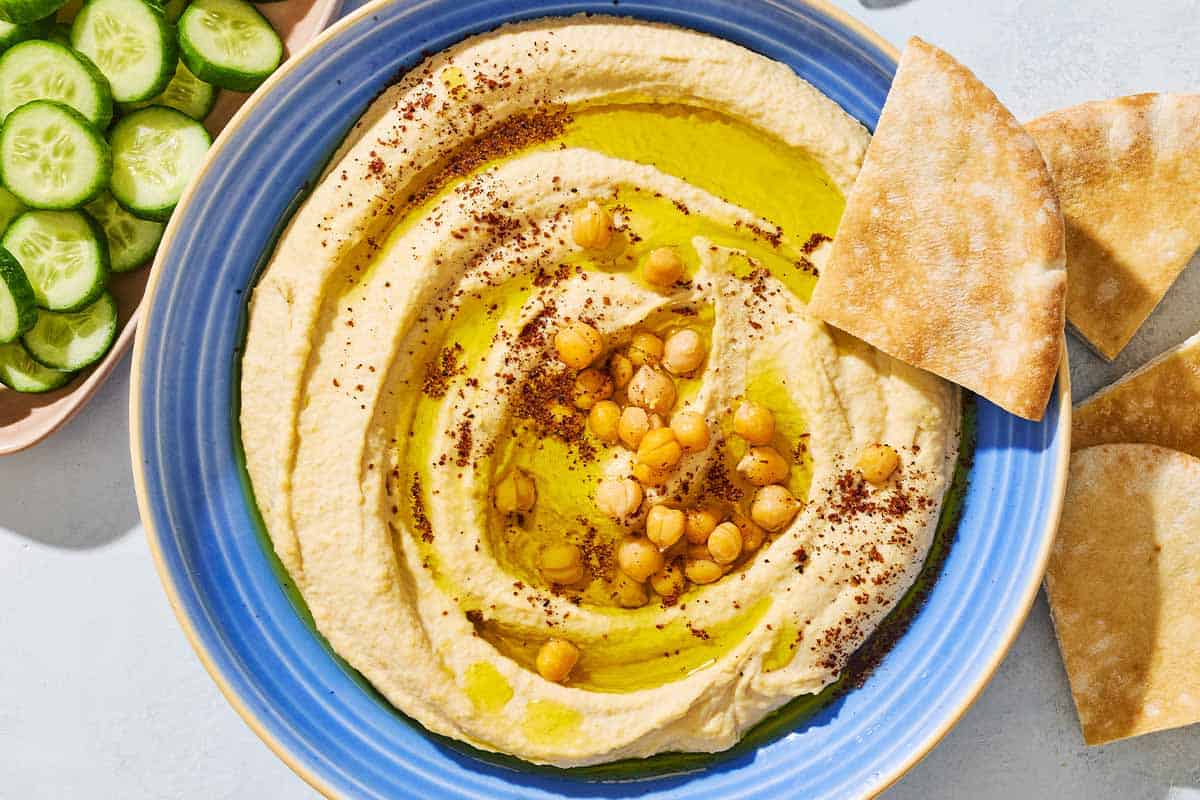
Unlock the Secret to Smooth, Creamy Homemade Hummus
Imagine a velvety, rich dip, bursting with fresh flavor, ready in minutes right from your kitchen. That's the magic of smooth creamy homemade hummus. Forget store-bought versions; crafting your own offers a taste and texture experience that's simply unparalleled. This isn't just a snack; it's a wholesome, versatile culinary delight that can elevate any meal or gathering. In this comprehensive guide, we'll dive deep into the art and science of achieving that dreamily smooth, irresistibly creamy consistency, transforming simple ingredients into a gourmet dip.
Many believe achieving truly restaurant-quality hummus at home requires complex techniques, but the truth is, it's remarkably straightforward. With the right ingredients, a few simple steps, and a couple of insider tips, you'll be impressing friends and family with your culinary prowess. Get ready to discover how to make the perfect batch of smooth creamy homemade hummus that will have everyone asking for your secret recipe.
The Foundation: Choosing Your Star Ingredients for Unrivaled Smoothness
The journey to the ultimate smooth creamy homemade hummus begins with its components. Each ingredient plays a pivotal role, not just in flavor, but in achieving that coveted silken texture. Opting for fresh, high-quality items is non-negotiable for a superior outcome.
Chickpeas: The Heart of Your Hummus
- Canned vs. Dried: While dried chickpeas, properly soaked and cooked, offer a slightly superior, nuttier flavor and can contribute to a creamier texture due to their natural starches, canned chickpeas are a fantastic time-saver. If using canned, always rinse them thoroughly under cold water to remove excess sodium and any canning liquid that might impart an off-flavor.
- The Role of Softness: Whether canned or dried, the key is tenderness. Chickpeas must be incredibly soft, almost falling apart, for them to blend into a truly smooth consistency. If cooking dried chickpeas, boil them until they are very tender, even slightly overcooked compared to what you might use in a salad.
Tahini: The Unsung Hero of Creaminess and Flavor
Tahini, a paste made from ground sesame seeds, is arguably the most crucial ingredient after chickpeas for achieving both authentic flavor and an incredibly smooth texture. Its rich, slightly bitter, nutty profile defines traditional hummus.
- Quality Matters: Invest in a good quality, light-colored tahini made from hulled sesame seeds. Look for brands that list only sesame seeds as the ingredient. A thin, pourable tahini is ideal; if yours is thick and pasty, stir it vigorously before adding it to ensure even distribution and easier blending.
- Freshness is Key: Stale tahini can lend a bitter, unpleasant taste. Always check the expiration date and store it properly.
Freshness of Garlic and Lemon: Brightness and Balance
These two vibrant ingredients cut through the richness of the chickpeas and tahini, adding essential brightness and pungency.
- Garlic: Fresh garlic cloves are non-negotiable. Their pungent, aromatic oils are what give hummus its characteristic kick. Avoid pre-minced or jarred garlic, as it often has a duller flavor and can introduce unwanted acidity. Start with a small amount and adjust to your taste preference.
- Lemon Juice: Freshly squeezed lemon juice brightens and balances all the flavors, preventing the hummus from tasting heavy. Bottled lemon juice often lacks the vibrant zest and aroma of fresh lemons and can sometimes taste artificial.
Olive Oil and Seasonings: The Finishing Touches
- Extra Virgin Olive Oil: Drizzled into the blend and as a garnish, extra virgin olive oil adds luxurious richness, a silky mouthfeel, and a fruity, sometimes peppery, depth of flavor. Choose a good quality one that you enjoy the taste of on its own.
- Salt and Cumin: Salt is vital for enhancing all the other flavors. Ground cumin adds a warm, earthy undertone that is characteristic of authentic Middle Eastern hummus. Adjust both to your personal preference.
Mastering the Art of Smoothness: Blending Techniques
Once you have your superior ingredients, the next step is the actual preparation and blending. This is where a few simple techniques can make all the difference in achieving that coveted smooth creamy homemade hummus.
Optimal Chickpea Preparation for Silken Texture
If you're using dried chickpeas, here's how to ensure they're perfectly primed for blending:
- Soaking: Rinse dried chickpeas thoroughly and soak them overnight in plenty of cold water, ensuring they are fully submerged. Soaking dramatically reduces cooking time and helps them cook more evenly.
- Cooking: Drain and rinse the soaked chickpeas. Place them in a large pot with fresh water, bringing it to a boil. Reduce heat and simmer for 1 to 1.5 hours, or until they are incredibly tender – soft enough to be easily mashed between your fingers. Many recipes suggest adding a pinch of baking soda to the cooking water, which helps break down the skins even further, making the chickpeas blend smoother.
- Cooling: Drain the cooked chickpeas and let them cool completely. Warm chickpeas tend to make a gummier hummus.
- The Secret to Super Smoothness: Peeling Chickpeas: This might sound tedious, but for the absolute silkiest texture, removing the skins from the cooked chickpeas is a game-changer. It's easier than it sounds! After boiling, rinse the chickpeas under cold water and gently rub them between your hands. The skins will loosen and float to the surface, allowing you to skim them off. This extra step eliminates any granular texture from the skins, resulting in an incomparably smooth dip. For more in-depth peeling techniques, check out smooth creamy homemade hummus - Article 2.
The Blending Process: Patience is a Virtue
A good food processor is your best friend here. While a high-speed blender can also work, a food processor typically offers better control for hummus.
- Initial Blend: Add the peeled (or thoroughly cooked) chickpeas, tahini, lemon juice, minced fresh garlic, and salt to your food processor.
- The Power of Ice Water: Instead of regular cold water, incorporate ice water gradually while the processor is running. The cold temperature helps to "shock" the ingredients, promoting a lighter, fluffier texture and preventing the hummus from getting warm and gummy. Start with a few tablespoons and add more as needed to reach your desired consistency.
- Blend, Scrape, Blend: Process on high speed for several minutes, stopping frequently to scrape down the sides of the bowl. This ensures that all ingredients are thoroughly incorporated and broken down. The longer you blend, the smoother and creamier your hummus will become. You're aiming for a consistency that flows smoothly, without any visible lumps.
- Adding Olive Oil: Once it's significantly smoothed, drizzle in a tablespoon or two of extra virgin olive oil while the processor is still running. This emulsifies into the hummus, adding richness and further enhancing the silky texture.
Adjusting Consistency and Flavor
This is where you truly make the hummus your own:
- Consistency: If your hummus is too thick, add more ice water, a tablespoon at a time, blending well after each addition until it reaches that perfect pourable yet thick consistency.
- Flavor: Taste and adjust seasonings. Does it need more salt to pop? A little more lemon juice for brightness? Perhaps a pinch more cumin for warmth? Don't be shy about fine-tuning until it sings on your palate.
Serving Suggestions: Elevating Your Culinary Experience
Once your smooth creamy homemade hummus is perfectly prepared, the possibilities are endless. Garnish with a swirl of good quality extra virgin olive oil, a sprinkle of paprika or sumac, and perhaps some chopped fresh parsley or a few whole chickpeas for visual appeal.
- Classic Dippers: Serve with warm pita bread (toasted or fresh), pita chips, laffa flatbread, or a vibrant vegetable platter featuring cucumber sticks, carrot sticks, bell pepper strips, and cherry tomatoes.
- Protein Power-Up: Hummus is a fantastic accompaniment to grilled chicken, falafel, shawarma, or lamb kebabs. It adds a creamy, flavorful element that complements savory meats beautifully.
- Spreads and Bases: Use it as a healthy spread for sandwiches and wraps instead of mayonnaise. It can also form the base of a delicious bowl, topped with roasted vegetables, grains, and a protein.
- Innovative Pairings: Don't limit yourself to traditional uses. Try a dollop with scrambled eggs, spread on toast, or even as a creamy base for a pizza with Mediterranean toppings.
Conclusion
Crafting your own smooth creamy homemade hummus is a rewarding culinary adventure that yields truly spectacular results. By focusing on quality ingredients, understanding the nuances of chickpea preparation (especially the transformative step of peeling), and mastering the blending technique, you can consistently produce a dip that rivals the best Middle Eastern restaurants. This easy, healthy, and incredibly flavorful spread is more than just a recipe; it's an invitation to elevate your everyday meals and impress with minimal effort. So, gather your ingredients, fire up that food processor, and prepare to indulge in the silken perfection of homemade hummus!
